Preventing Parasites in Your Pet This Georgia Summer
Preventing Parasites in Your Pet This Georgia Summer
Summer in Georgia brings plenty of opportunities to enjoy the outdoors with your dog or cat, but it also means peak season for fleas, ticks, and heartworms. As temperatures rise and humidity sets in, these parasites become more active, increasing the risk of infestations and infections for pets across Holly Springs and surrounding communities. Whether your companion loves lounging in the backyard or joining you for walks and hikes, it’s important to know how to protect them from the discomfort and health threats parasites can cause. At Express Vets Holly Springs, located at 6244 Holly Springs Parkway Suite D, Holly Springs, GA 30188, our veterinary team is dedicated to helping you keep your pet safe all season long. This blog will walk you through the most common summer parasites in Georgia, explain why your pet is at greater risk during July’s hot, humid months, and share the best prevention strategies so you can enjoy a worry-free summer together. You’ll also learn when it’s time to schedule a visit with our veterinarians for testing, treatments, or advice tailored to your pet’s needs.
For more information about protecting your pet from fleas, ticks, heartworms, and other parasites, you can also visit our parasite prevention and control services page.
Recognizing the Symptoms: Are Parasites a Problem for Your Pet?
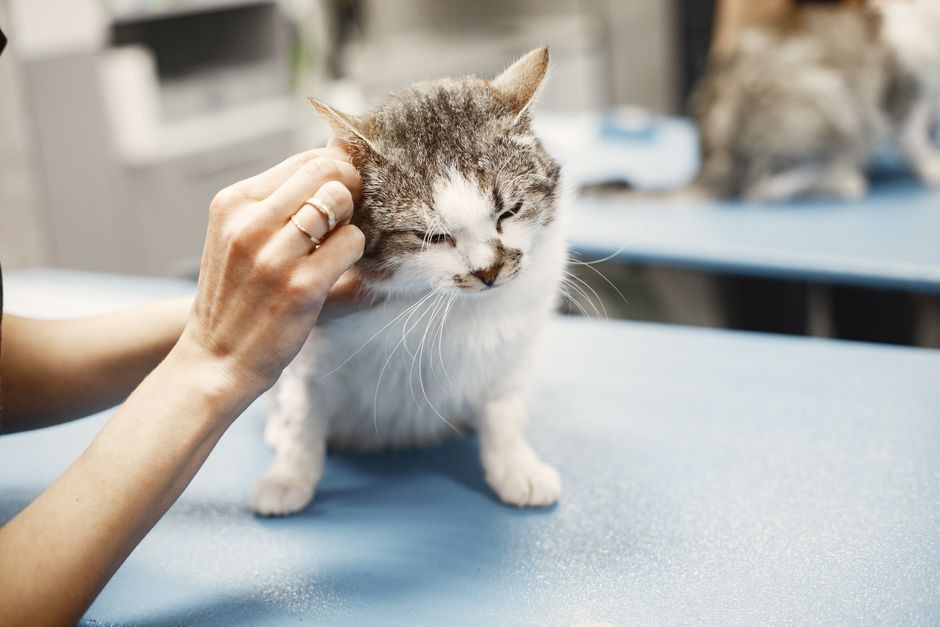
It’s not always easy to spot a parasite problem in the early stages, but staying alert to subtle changes in your pet can make a big difference. Flea infestations often cause persistent scratching, biting at the skin, hair loss (especially near the tail or back legs), and sometimes tiny black specks (flea dirt) in your pet’s coat. Ticks may be visible as small, round bumps attached to the skin, particularly around the ears, neck, or between toes. Some pets may develop redness, swelling, or even a low-grade fever if a tick is present for a prolonged period.
Heartworm disease, which is transmitted by mosquitoes, can be even more challenging to detect. Early signs are usually very mild or absent, but as the disease progresses, you may notice symptoms such as coughing, reduced stamina, difficulty breathing, or unexplained weight loss in dogs. Cats may show signs like coughing, vomiting, or general lethargy; in some cases, heartworm infection in cats can be sudden and severe.
If your pet is shaking their head, licking or chewing at their skin, or seems less energetic than usual, it’s worth considering the possibility of a parasite issue. These symptoms are not exclusive to parasites, so a veterinary evaluation is always recommended to pinpoint the cause and start the right treatment if necessary.
Why Are Parasites Worse in Georgia Summers?
Georgia’s climate is ideal for many common parasites that affect dogs and cats. Warm temperatures and high humidity in July and August create the perfect environment for fleas and ticks to breed and thrive. Mosquitoes, the carriers of heartworm larvae, are especially active during dawn and dusk and can enter homes through open doors or windows, making prevention a year-round necessity but particularly urgent in summer.
Fleas can complete their life cycle in as little as three weeks during hot, moist conditions, multiplying quickly and infesting both pets and homes. Ticks are more likely to be found in wooded areas, tall grass, and even in suburban backyards, where they wait for animals or people to brush by. The risk increases if your dog or cat spends time outdoors or interacts with other animals who may be carrying parasites.
Heartworm disease is a special concern in the Southeast, where mosquito populations remain high for much of the year. Unlike fleas and ticks, heartworm larvae are injected directly into the bloodstream when a mosquito bites your pet. Over time, these larvae develop into adult worms that can cause severe damage to the heart and lungs. Because Georgia’s mosquito season is long, the risk of heartworm exposure never really disappears.
Professional Treatment and What to Expect
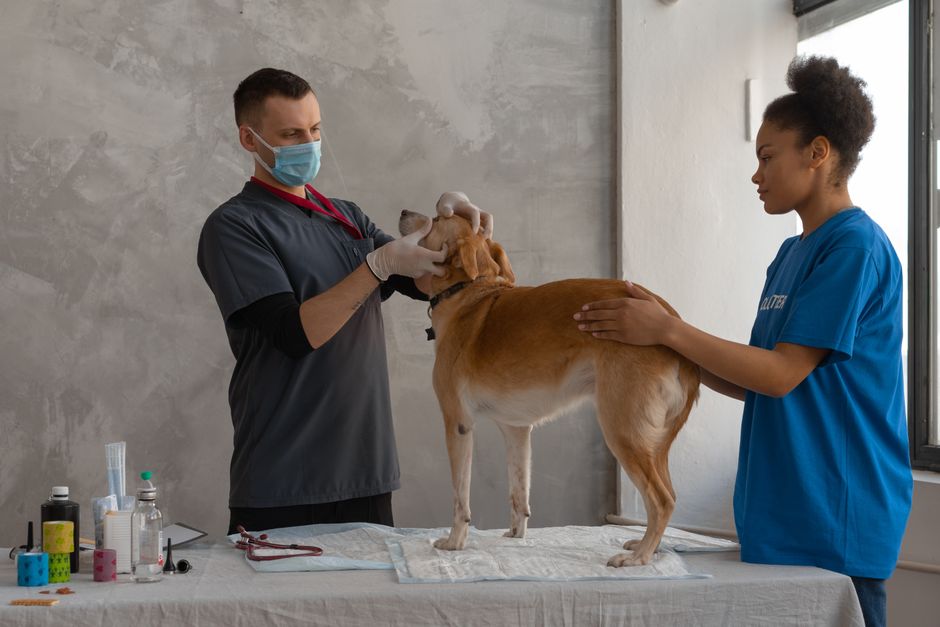
When you bring your dog or cat to Express Vets Holly Springs for a parasite concern, our veterinary professionals start with a thorough examination and tailored diagnostic tests. For fleas and ticks, this may involve a close visual inspection of the coat and skin, followed by recommendations for safe, effective treatment options that match your pet’s age, health status, and lifestyle. Topical treatments, oral medications, and collars are available, each designed to quickly eliminate active infestations and prevent new ones from taking hold.
If heartworm infection is suspected, our team will recommend a heartworm test, which is usually a simple blood test performed in the clinic. Early detection is critical because heartworm disease can be life-threatening, especially as it progresses. For dogs who test positive, treatment typically involves a series of injections and strict activity restrictions to minimize the risk of complications. Cats with heartworm disease may require supportive care, as there is currently no approved treatment for eliminating adult heartworms in cats.
Our goal is always to resolve parasite issues quickly while minimizing discomfort for your pet and stress for your family. We’ll also provide tailored advice on keeping your home and yard parasite-free, reducing the risk of reinfestation.
Preventing Parasites at Home: Steps for a Healthy Summer
The best way to protect your pet from parasites is through a combination of year-round preventive measures and regular veterinary care. For flea and tick prevention, our veterinarians recommend using a veterinarian-approved, prescription-strength product suited to your pet’s species and weight. Monthly oral tablets, topical drops, or long-acting collars can each offer reliable protection when used consistently.
It’s important to treat all pets in the household, even if only one animal appears affected, because fleas and ticks can easily move between animals. Regularly washing pet bedding, vacuuming carpets and furniture, and keeping your yard trimmed helps reduce the number of parasite hiding spots.
For heartworm prevention, a monthly prescription medication is essential. These products work by killing immature heartworm larvae before they can mature and cause disease. Even indoor pets are at risk, as mosquitoes can enter the home. Our team can help you select the right preventive product for your pet and provide reminders for monthly dosing.
To stay proactive, schedule a routine wellness examination at Express Vets Holly Springs every year. During these visits, we’ll check for early signs of parasites, update vaccinations, and discuss the most current recommendations for flea, tick, and heartworm prevention. If you’re unsure about the best product or schedule for your pet, our veterinary team is always available to answer your questions.
When to Bring Your Pet to the Veterinarian
Some parasite problems can be managed at home with preventive products, but there are situations when a visit to the veterinarian is absolutely necessary. If you notice persistent scratching, hair loss, inflamed skin, visible ticks, or signs of discomfort that do not improve within a few days, your pet should be examined promptly. Sudden changes in behavior, coughing, trouble breathing, vomiting, or unexplained weight loss may indicate a more serious issue such as heartworm disease or a severe allergic reaction to flea bites.
Puppies, kittens, senior pets, and animals with chronic health conditions are at greater risk for complications from parasites and should be seen sooner rather than later if symptoms arise. It is always safer to err on the side of caution; prompt treatment can prevent minor problems from becoming major health concerns.
If you are ever unsure about your pet’s symptoms or the effectiveness of their parasite prevention plan, don’t hesitate to reach out. Scheduling a comprehensive pet exam is the best way to ensure your companion stays healthy and comfortable throughout the summer.
Keeping Your Pet Comfortable and Safe All Summer
Protecting your dog or cat from parasites in Georgia’s humid summer months is an important part of responsible pet ownership. By staying alert to early symptoms, using veterinarian-approved preventive products, and maintaining regular checkups, you can help your pet avoid the discomfort and dangers of fleas, ticks, and heartworms. At Express Vets Holly Springs, our veterinary team is committed to partnering with you to keep your companion healthy, happy, and parasite-free.
If you have questions about parasite risks, need help choosing the right prevention plan, or want to schedule a wellness exam, our veterinarians are here for you. When searching for a trusted "vet near me," look to Express Vets Holly Springs for friendly, expert care right in your community. Call us at (678) 402-8717 or visit us in person at 6244 Holly Springs Parkway Suite D, Holly Springs, GA 30188 to take the next step toward a parasite-free summer for your pet. For additional resources on parasite prevention, explore our parasite prevention and control services or schedule your pet’s wellness examination today.
Disclaimer: The information in this blog is for educational purposes only and should not replace professional veterinary advice. If you have concerns about your pet’s health or suspect a parasite issue, consult your veterinarian promptly for diagnosis and treatment.