How to Spot Skin Problems in Holly Springs Pets
How to Spot Skin Problems in Holly Springs Pets
Summer in Holly Springs, with its humid Georgia climate, often brings itchy skin and allergies to the forefront for many local dogs and cats. If you find yourself worrying about your pet’s constant scratching, red patches, or hair loss as the temperatures rise, you are not alone. Skin problems are some of the most common reasons pet owners visit veterinarians during the warmer months. At Express Vets Holly Springs, our team understands how frustrating and uncomfortable these issues can be for both you and your four-legged family member. In this blog, we will guide you through the signs of skin trouble, explain why these problems occur in our area, and share how our veterinary team can help your pet feel comfortable again. We will also offer practical advice for managing and preventing skin issues at home, helping you keep your pet healthy all summer long. If you notice any changes in your dog or cat’s skin or coat, our dermatology services are designed to diagnose and treat the full spectrum of pet skin problems right here in Holly Springs.
Recognizing Skin Problems in Your Dog or Cat
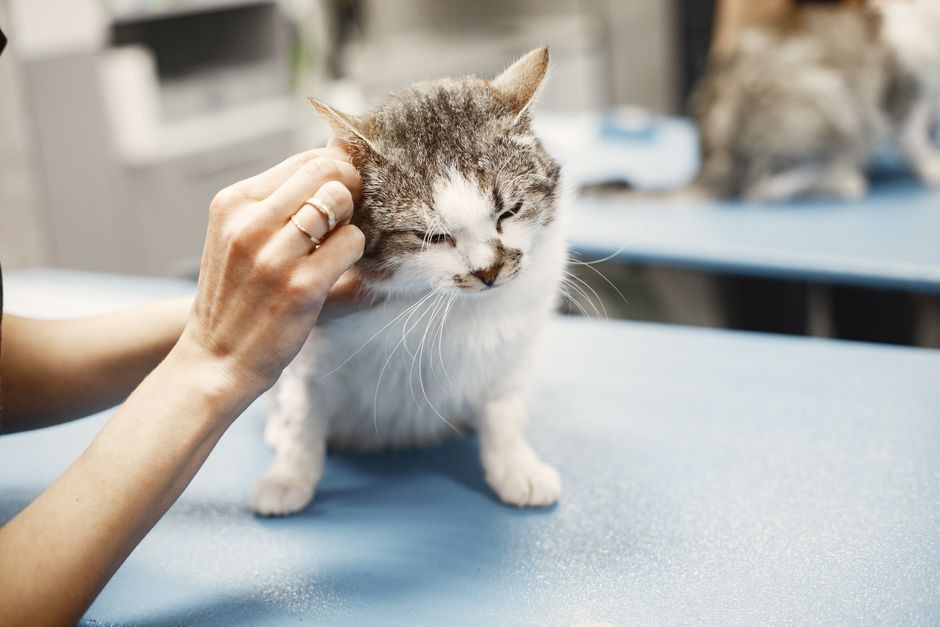
Summer skin problems in pets can be subtle or dramatic, but early recognition is key to preventing discomfort and complications. Some of the most common warning signs include persistent scratching, licking, or chewing at the skin. You might observe redness, bumps, or rashes, especially on your pet’s belly, paws, or ears. Hair loss or thinning fur often appears in patches where your pet is focusing their attention. Scabs, flaky skin, or an unpleasant odor can signal infection or chronic inflammation. In some cases, pets may seem restless, have trouble sleeping due to itching, or act withdrawn because of skin pain. Cats, in particular, may groom excessively or develop bald spots along their back and legs. Dogs may shake their heads frequently if their ears are affected or drag their hindquarters if the problem is near the tail. Paying close attention to these changes, even if they seem minor at first, allows you to intervene before the issue worsens.
Why Skin Problems Are So Common in Holly Springs
The warm, humid environment of Holly Springs creates ideal conditions for many of the most common pet skin issues. Seasonal allergies are a major culprit; pollen from local grasses, trees, and weeds peaks in the summer and triggers reactions in sensitive dogs and cats. Additionally, high humidity encourages the growth of molds and dust mites, both common allergens. Fleas, ticks, and other parasites flourish in the heat, and their bites can lead to allergic reactions, rashes, and secondary infections. Pets who spend more time outdoors during the summer may come into contact with irritants like fertilizers, pesticides, or rough plants that can damage their skin. Some breeds are genetically predisposed to skin problems; for example, bulldogs, retrievers, and terriers are more prone to allergies and skin infections, while cats with long or thick coats may develop mats that trap moisture and bacteria. Environmental factors, such as poor ventilation in your home or infrequent grooming, can also make skin issues worse for your pet during this time of year.
Professional Treatment Options for Pet Skin Issues
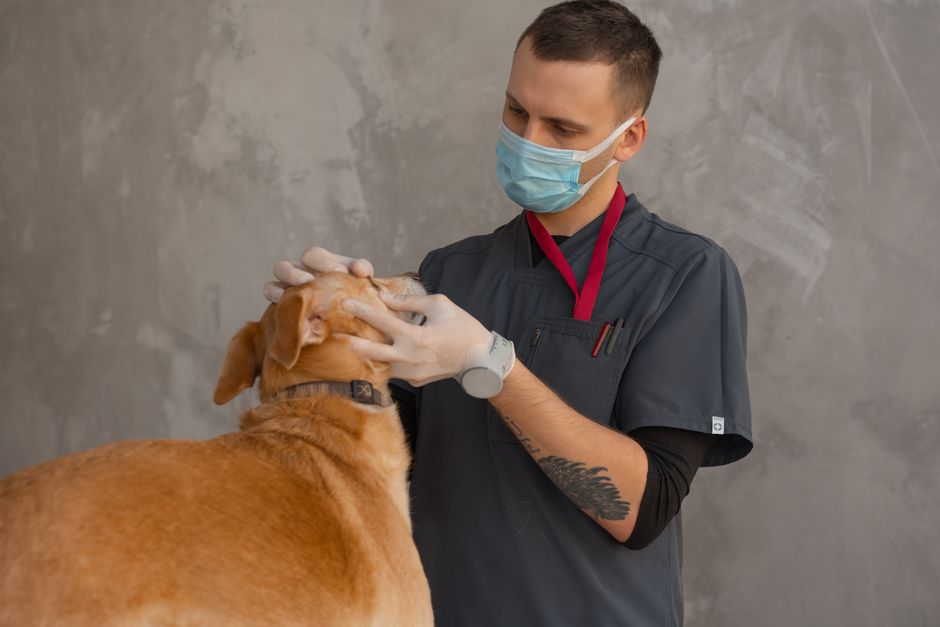
If your pet is struggling with itchy skin, rashes, or hair loss, professional veterinary care can make all the difference. At Express Vets Holly Springs, our veterinary team begins by performing a thorough skin examination, looking for patterns that suggest allergies, parasites, infections, or more complex dermatological conditions. Diagnostic testing, such as skin scrapings, cytology, or fungal cultures, helps us identify the underlying cause. For pets with suspected allergies, we may recommend allergy testing services to pinpoint specific triggers. Treatment approaches vary depending on the diagnosis; for example, bacterial or fungal infections are treated with appropriate medications, while flea or tick infestations require targeted parasite control. Allergic pets often benefit from prescription diets, medicated shampoos, or oral medications to reduce itching and inflammation. In more complicated cases, immunotherapy or advanced dermatology care may be recommended to manage chronic allergies or autoimmune skin diseases. Throughout the process, our focus is always on providing gentle, effective relief to get your dog or cat back to their happy, healthy self as quickly as possible.
Helping Your Pet at Home: Prevention and Daily Care
While professional treatment is essential for moderate to severe skin problems, there is much you can do at home to support your pet’s skin health and prevent issues from developing. Regular grooming helps keep your pet’s coat clean and free of mats that can harbor bacteria or parasites. Bathing your pet with a gentle, veterinarian-recommended shampoo can remove allergens and soothe irritated skin, but be careful not to over-bathe, as this can strip natural oils and worsen dryness. Vacuuming carpets and washing bedding frequently reduces exposure to dust mites and pollen. Flea and tick prevention is critical; year-round parasite control, such as the services offered through our parasite prevention and control program, helps protect both the skin and overall health of your pet. For pets with food allergies, specialized diets may help minimize reactions. Monitoring your pet’s skin and coat regularly allows you to catch changes early, and keeping a journal of flare-ups can be helpful for identifying patterns or triggers. If your pet enjoys the outdoors, inspect them after each outing for signs of bites, burrs, or irritants, especially between toes and under the tail.
When to Bring Your Pet to the Veterinarian
Some minor skin irritations may resolve with basic home care, but certain signs indicate that professional veterinary attention is needed. If your pet’s itching is constant, or if you notice open sores, bleeding, or rapidly spreading rashes, it is important to seek help promptly. Other warning signs include persistent hair loss, thickened or blackened skin, a foul odor, or changes in your pet’s behavior, such as decreased appetite or lethargy. Recurring ear infections, head shaking, or swelling around the face and paws can point to underlying allergies or systemic issues. If you have tried over-the-counter remedies and your pet is not improving within a few days, or if the problem keeps coming back, schedule an appointment with our primary care veterinary services team. Our veterinarians can identify the cause, recommend effective treatments, and help you prevent future flare-ups. Remember, untreated skin problems can quickly become painful or lead to more serious infections, so timely intervention is always best.
Supporting Your Pet’s Skin Health Year-Round
At Express Vets Holly Springs, we know how much you care about your pet’s comfort and well-being. Our veterinarians are here to partner with you in keeping your dog or cat’s skin healthy, no matter what Georgia’s weather brings. By staying vigilant for early signs of skin trouble, practicing good home care, and seeking veterinary guidance when needed, you can help your pet enjoy every season itch-free. If you ever find yourself searching for a "vet near me" because your pet is scratching more than usual or you notice changes in their skin, our team is ready to help with expert care and a compassionate approach.
If you have concerns about your pet’s skin, or if you are ready to schedule a wellness examination, reach out to us at (678) 402-8717 or visit 6244 Holly Springs Parkway Suite D, Holly Springs, GA 30188. Our veterinary professionals are committed to serving Holly Springs and surrounding communities with personalized dermatology care, allergy management, and preventive solutions tailored to your pet’s needs. For more information on our dermatology services or to book your pet’s next comprehensive pet examination, contact us today. Your pet’s comfort and happiness are always our top priority.
This article is intended for informational purposes only and does not replace professional veterinary advice. Always consult your veterinarian if you have concerns about your pet’s health.