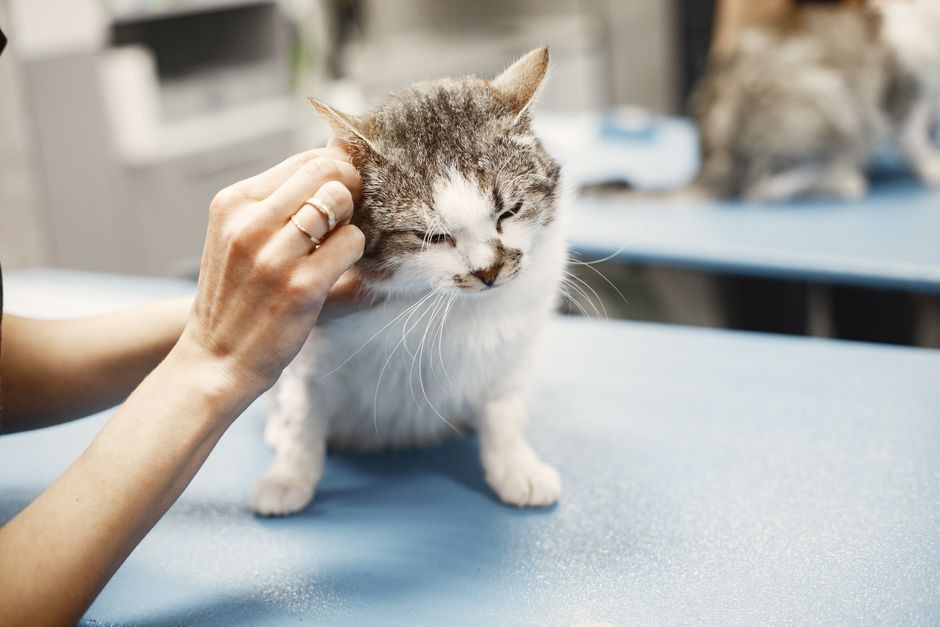
How to Prevent Wet Weather Skin Problems in Pets

How to Prevent Wet Weather Skin Problems in Pets
Wet, chilly weather often brings more than just muddy paws and damp fur—it can also lead to unpleasant skin problems for our pets. If you have noticed your dog scratching more than usual or your cat’s coat looking a bit dull during a damp February in Holly Springs, you are not alone. At Express Vets Holly Springs, we understand that local pets are especially prone to skin and coat issues when the weather turns wet and cold. This blog will guide you through how wet weather impacts your pet’s skin, common signs to watch for, what causes these problems, and what you can do to prevent and manage them. Our team of veterinarians at 6244 Holly Springs Parkway Suite D, Holly Springs, GA 30188 is here to help you keep your furry family members healthy and comfortable all season long. You will also learn when it is best to schedule an appointment so your pet can get professional, compassionate care right here in Holly Springs and surrounding communities.
Recognizing Wet Weather Skin Problems in Pets
You may notice your pet starting to scratch, lick, or chew at certain spots more frequently as the rain and dampness settle in. These behaviors can be a sign that your dog or cat is developing a skin issue related to the season. Key symptoms include persistent scratching, red or irritated skin, the appearance of scabs or sores, a musty odor from the coat, and patches of hair loss. Dogs may develop hot spots—areas of inflamed, moist skin that seem to appear overnight, often on the hips, chest, or limbs. Cats might show subtle signs, such as increased grooming or small bald patches, especially under the belly or near the base of the tail. If your pet shakes their head often or scratches at their ears, this can also indicate skin discomfort or even the start of an ear infection, which is common in wet weather.
Pet owners sometimes assume these symptoms are simply part of shedding season or normal behavior, but increased moisture can create the perfect environment for skin infections. If you are seeing these changes, it is important to pay attention and consider whether the damp weather could be playing a role. Early recognition can make a significant difference in both comfort and recovery for your pet.
Why Wet Weather Causes Pet Skin Problems
Understanding why pets are more prone to skin issues during wet months helps you take proactive steps. When the weather in Holly Springs turns cool and rainy, pets are often exposed to a combination of moisture, mud, and fluctuating indoor heating. This mix creates a breeding ground for skin irritations and infections. The main culprits are excess moisture trapped close to the skin, which softens the outer layer and allows bacteria or yeast to thrive. In dogs, breeds with dense undercoats or long fur are especially vulnerable since water can linger against the skin after a walk or playtime outside. Cats who spend time outdoors or in damp basements may also experience similar problems.
Humidity inside your home can also play a part. As you heat your house to stay warm, the air may become dry, which can dry out your pet’s skin. The back-and-forth between damp outdoor walks and dry indoor air can lead to flaky or irritated skin. Additionally, dampness increases the risk of parasites like fleas, which are known to cause allergic reactions and intense itching. Pets with allergies or sensitive skin are particularly at risk; even a short walk on wet grass can trigger a flare-up.
Underlying health conditions such as allergies, hormonal imbalances, or immune system challenges can make some pets more likely to develop skin problems when the weather is wet. Senior pets, puppies, and animals with chronic conditions may need extra support during these months.
How Our Veterinary Team Treats Wet Weather Skin Issues
If you bring your pet to Express Vets Holly Springs for skin concerns, our veterinarians start with a thorough physical examination to identify the root cause. Treatment approaches involve several steps, depending on the severity and type of skin problem. For mild cases, we may recommend topical treatments like medicated shampoos or sprays designed to soothe itching and reduce inflammation. For more persistent or serious conditions, such as hot spots or deep skin infections, oral medications or antibiotics might be needed.
Many skin issues are related to allergies, especially during the transition between seasons. Our team offers allergy testing services, which can help pinpoint environmental or food triggers contributing to your pet’s discomfort. For pets suffering from recurrent or complex skin problems, our dermatology services provide advanced diagnostic tools and treatment plans tailored to your pet’s needs.
During your visit, we will discuss your pet’s diet, parasite prevention routine, and grooming habits. Sometimes, a change in diet or the introduction of a specialty food can improve skin health, especially if a food allergy is suspected. If parasites are found or suspected, we can recommend appropriate parasite prevention and control options to keep fleas and ticks at bay.
Our veterinary professionals always focus on gentle, evidence-based solutions, and we are committed to helping your pet recover as quickly and comfortably as possible. Your input about your pet’s daily habits and environment is invaluable as we create a treatment plan together.
Simple Steps to Prevent Skin Problems at Home
While professional care is key for serious issues, many skin problems can be prevented with a few routine habits at home. After walks in the rain or playtime on wet grass, dry your pet’s paws, belly, and legs thoroughly with a clean towel. Pay special attention to areas where fur is thick or matted, as moisture can become trapped close to the skin. Regular grooming is important; brushing helps remove dirt, loose fur, and debris, and prevents mats that can hold in moisture. For dogs with long or curly coats, consider scheduling regular trims during the wet months to keep fur manageable.
Bathing your pet with a veterinarian-recommended shampoo can help maintain healthy skin and coat, but avoid over-bathing, as this can strip away natural oils. If you are unsure how often to bathe your pet, consult our team for personalized advice. Keeping your home environment clean and dry by wiping up wet paw prints and mud quickly can also reduce the risk of skin irritation.
Nutrition plays a significant role in skin health. A balanced diet rich in essential fatty acids supports healthy skin and a shiny coat. If your pet has a history of skin issues, our team can discuss the benefits of specialty diets that may help address underlying sensitivities.
Finally, maintaining a consistent parasite prevention program throughout the year is crucial, as fleas and ticks can continue to thrive in wet conditions. Talk to us about year-round prevention options tailored to our local climate.
When to Schedule a Veterinary Appointment
Knowing when to seek professional help can make all the difference for your pet’s comfort and wellbeing. You should schedule an appointment with our veterinarians if your pet’s itching is constant, if you notice raw or oozing skin, or if there are large areas of hair loss. Other warning signs include a persistent odor, swelling, or if your pet seems unusually lethargic or in pain. Skin problems that do not improve within a few days of home care, or that worsen rapidly, always warrant a visit.
It is especially important to contact us if your pet has a history of allergies or chronic skin issues, as these can flare up suddenly in wet weather. Early intervention helps prevent complications and provides relief sooner. Our primary care services include thorough evaluations and personalized treatment plans, ensuring your pet receives the care they need.
Remember, online information can be helpful for general guidance, but only a veterinary professional can diagnose and treat your pet’s unique condition. If in doubt, err on the side of caution and reach out for support.
Keeping Your Pet Comfortable in Every Season
Wet weather in Holly Springs can be tough on pets, but by staying attentive and proactive, you can help your dog or cat avoid the most common skin problems of the season. Regular grooming, careful drying after outdoor adventures, balanced nutrition, and a robust parasite prevention plan are all key steps to keeping your pet’s skin and coat healthy. If you notice any changes in your pet’s skin or if at-home care is not enough, our compassionate veterinary team at Express Vets Holly Springs is here to help.
When you are searching for a veterinarian near me, choose a practice that understands local conditions and is dedicated to your pet’s long-term health. To schedule an appointment or discuss your concerns, call us at (678) 402-8717 or visit us at 6244 Holly Springs Parkway Suite D, Holly Springs, GA 30188. Our team of veterinarians is committed to providing comprehensive, compassionate care for pets in Holly Springs and surrounding communities. For more information about our dermatology, allergy testing, and primary care services, explore our website or contact us today. Your pet’s comfort is our top priority, no matter the weather.
The information in this blog is intended for educational purposes only and does not replace professional veterinary advice. If your pet is experiencing any health issues, please schedule an appointment with a licensed veterinarian.