How to Know When Pet Weight Changes Need a Vet
How to Know When Pet Weight Changes Need a Vet
As a pet owner, you want to keep your dog or cat healthy and comfortable, but sometimes subtle changes can signal something more serious. Have you noticed your pet gaining or losing weight lately? Understanding what practical steps you can take to manage knowing when weight change needs veterinary care is essential for early intervention and better long-term health. At Express Vets Holly Springs, our team is dedicated to helping pet owners in Holly Springs and surrounding communities recognize and respond to these important changes. In this blog, we’ll guide you through what to watch for, why weight changes happen, how you can monitor your pet at home, and when it’s time to schedule a veterinary visit. By staying alert and proactive, you can help ensure your pet lives a long, happy life right here in our community.
Recognizing When Your Pet's Weight Change Is a Problem
Not every shift on the scale means trouble, but some changes should prompt a closer look. A gradual increase or decrease in weight over time could be normal as your pet ages or activity levels change. However, sudden or unexplained weight gain or loss often signals that something is wrong. Dogs and cats may exhibit other signs alongside weight changes, such as a decrease in energy, changes in eating habits, vomiting, diarrhea, or more frequent drinking and urination. If you notice your pet’s collar fitting differently, see visible ribs or spine, or find it harder to feel their waist, these are all clues that their weight may be moving in an unhealthy direction. Monitoring these changes closely is one of the most practical steps you can take to manage knowing when weight change needs veterinary care.
A pet that gains weight despite no increase in food or decrease in activity may be experiencing hormonal issues like hypothyroidism or Cushing’s disease. On the other hand, weight loss despite a healthy appetite could point to conditions such as diabetes, kidney disease, or dental problems. Even stress, anxiety, or a recent household change can affect your pet’s eating habits and overall weight. For this reason, tracking not just the number on the scale, but also your pet’s behavior and appetite, is crucial.
Common Causes of Weight Changes in Dogs and Cats
Understanding why your pet’s weight is changing can help you work with your veterinarian to find an effective solution. For many pets, weight gain results from too many calories and not enough exercise. Indoor cats and older dogs are especially prone to this, as their metabolism slows and activity levels drop. Treats and table scraps, even in small amounts, can add up quickly. In some cases, underlying health problems such as arthritis, which reduces mobility, or hormonal disorders, may be at play.
Conversely, weight loss can be triggered by dental disease that makes chewing painful, gastrointestinal upsets that impact nutrient absorption, or chronic illnesses such as kidney disease and diabetes. Intestinal parasites, common in both dogs and cats, might also lead to unexplained weight loss. Sometimes, cancer or other serious diseases can be the culprit, which is why prompt attention to significant weight loss is so important.
Environmental and emotional factors can also contribute. A new addition to the household, a recent move, or even changes in your routine can stress your pet and alter their eating habits. Seasonal changes, especially in the hot, humid Georgia summers, can affect appetite and activity, leading to temporary shifts in weight.
What Practical Steps Can I Take to Manage Knowing When Weight Change Needs Veterinary Care?
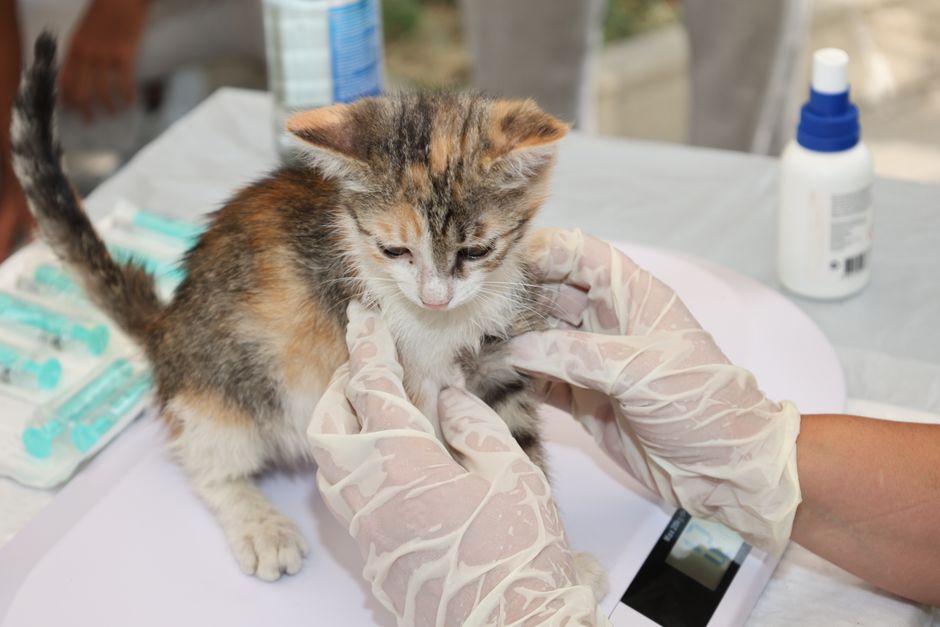
As a pet owner, you play a vital role in monitoring your pet’s health at home. The most practical steps you can take to manage knowing when weight change needs veterinary care begin with regular observation and record-keeping. Weigh your pet at the same time each week using a reliable scale. For smaller pets, you can hold them and subtract your own weight. For larger dogs, many local pet stores have scales, or your veterinarian can help with periodic weigh-ins.
Keep a log of your pet’s weight, noting any changes over time. Pay close attention to shifts in appetite, water intake, energy level, and the consistency of stool or urine. A sudden drop in appetite, persistent vomiting, diarrhea, or a dramatic change in how your pet looks or acts should never be ignored.
In addition to weight checks, observe your pet’s body condition. Run your hands over their ribs and waist; you should be able to feel the ribs without pressing hard, and see a noticeable waist behind the ribs when viewed from above. If you notice that your pet’s shape is changing, or you’re struggling to feel their ribs, this could indicate unhealthy weight gain.
If you’re unsure about your pet’s weight or body condition, a wellness examination is a great way to establish a baseline and discuss concerns with our veterinarians. We can show you how to evaluate your pet’s condition at home and help you develop a monitoring routine that fits your lifestyle.
Professional Treatment Options for Unexplained Weight Changes
When you bring your dog or cat to Express Vets Holly Springs for weight concerns, our veterinary team will start with a thorough health history and physical exam. We’ll ask about your pet’s eating habits, activity level, environment, and any recent changes in your home. Diagnostic testing may be recommended to uncover the root cause of the weight change. This might include blood work to check for thyroid, kidney, or liver problems, as well as urine tests and screening for parasites. Our pet diagnostic lab allows us to quickly gather the information needed for a clear diagnosis.
Depending on what we find, treatment options can vary. For pets with treatable medical conditions, medications or specific therapies may be prescribed. If dietary factors are contributing to weight gain or loss, our veterinarians will work with you to develop a feeding plan that matches your pet’s needs and lifestyle. In some situations, we may recommend a specialty diet to provide targeted nutrition for weight management or underlying health concerns.
If pain or orthopedic problems are impacting your pet’s activity level, physical therapy or pain management strategies may be advised. For pets with behavioral or emotional triggers, our team can provide guidance on supporting your pet during stressful times and adjusting their environment to encourage healthy eating and exercise.
Home Care and Prevention: Supporting Healthy Weight for Your Pet
Prevention is always easier than treatment, and many weight issues can be managed or avoided with a few simple strategies at home. Feed your pet a measured amount of high-quality food, tailored to their age, size, and activity level. Avoid free-feeding and keep treats to no more than 10 percent of your pet’s daily calories. Regularly scheduled meal times can help you spot changes in appetite early.
Encourage daily exercise, such as walks for your dog or interactive play sessions for your cat. Rotate toys, set up obstacle courses, or use food puzzles to keep your pet mentally and physically stimulated. If you notice your pet becoming less active due to age or mobility issues, ask your veterinarian about safe ways to keep them moving.
Monitor your pet’s body condition and weight consistently, and don’t hesitate to reach out if you notice any changes. Early intervention is key—many health concerns can be addressed more easily when caught in the early stages.
When to Seek Veterinary Care for Weight Changes
Knowing when to involve your veterinarian is one of the most important practical steps you can take to manage knowing when weight change needs veterinary care. If your dog or cat loses or gains more than 10 percent of their body weight over a short period, or if you observe sudden or unexplained changes in appetite, drinking, urination, or energy, it’s time to schedule an appointment. Persistent vomiting, diarrhea, or signs of pain also warrant a prompt visit.
Regular sick visits can help address new or worsening symptoms before they become more serious. Even if your pet seems otherwise healthy, annual wellness exams are vital for early detection of issues that might not be obvious at home.
In some cases, waiting can make the problem worse. If you’re ever unsure whether your pet’s weight change is an emergency, call our team for guidance. We’re here to help you determine the best course of action for your dog or cat.
Action Steps for Pet Owners in Holly Springs and Beyond
Caring for your pet’s health means staying alert to changes, no matter how small. By taking practical steps like regular weigh-ins, body condition checks, and prompt action when you see warning signs, you can manage knowing when weight change needs veterinary care before small issues become big problems.
If you’re looking for a "vet near me" in Holly Springs or the surrounding area, Express Vets Holly Springs is ready to help. Our veterinarians provide compassionate, comprehensive care for dogs and cats, whether you need a routine checkup or have concerns about your pet’s weight. Schedule an appointment at our convenient 6244 Holly Springs Parkway Suite D, Holly Springs, GA 30188 location, or call us at (678) 402-8717 to discuss your pet’s needs.
Your pet’s health is our top priority. Let our veterinary team partner with you to support a healthy weight and a happy life for your beloved companion. If you’re ever in doubt about what practical steps you can take to manage knowing when weight change needs veterinary care, Express Vets Holly Springs is your trusted local resource for answers and support.
This blog is for educational purposes and is not a substitute for professional veterinary advice. Always consult your veterinarian for concerns about your pet’s health.