Can Dogs Get Sore Throats? Signs, Causes, and What to Do
Can Dogs Get Sore Throats? Signs, Causes, and What to Do
If your dog has suddenly become quiet, seems to swallow more often, or whines when eating, you may be wondering, “Can dogs get sore throats?” Just like people, dogs can experience discomfort and irritation in their throats for a variety of reasons. At Express Vets Holly Springs, we often hear from concerned pet owners throughout Holly Springs and surrounding communities who notice changes in their dog’s voice or appetite and want to know if a sore throat could be to blame. Recognizing the signs early and understanding what might be causing your dog’s discomfort are essential steps toward helping your pet feel better as soon as possible.
In this blog, we will address the question, “Can dogs get sore throats?” We’ll cover the typical symptoms to watch for, the most common causes behind canine throat discomfort, how our veterinary team diagnoses and treats these issues, and what you can do at home to help your dog recover. We’ll also explain when it’s time to schedule an appointment at our 6244 Holly Springs Parkway Suite D, Holly Springs, GA 30188 location for expert care. Our goal is to keep your four-legged family members healthy, comfortable, and happy year-round.
Recognizing the Signs: What Does a Sore Throat Look Like in Dogs?
Dog owners know their pets’ personalities and routines better than anyone, so when something seems off, it’s natural to be concerned. While dogs can’t tell us when their throats hurt, they often show certain behaviors that signal discomfort. Key symptoms of a sore throat in dogs include persistent coughing, repeated swallowing, a raspy or hoarse bark, and visible discomfort when eating or drinking. Some dogs may avoid dry kibble and gravitate toward softer foods, while others might drool more than usual. You might also notice your dog pawing at their mouth or throat, gagging, or displaying mild lethargy.
Additional signs that could point to a sore throat are sneezing, nasal discharge, or even a mild fever. While not every dog will show all these symptoms, any combination of coughing, swallowing difficulties, or changes in bark should prompt a closer look. If your dog’s appetite has decreased, they are breathing noisily, or you see them trying to vomit without producing anything, these can all indicate throat irritation or a more serious underlying problem.
It’s important to remember that these symptoms are not exclusive to sore throats; they can also signal other health issues, such as respiratory infections or even foreign objects lodged in the throat. Monitoring your dog’s behavior and acting early can help ensure that minor discomfort doesn’t turn into a bigger health concern.
Can Dogs Get Sore Throats? Understanding the Causes
Pet owners often ask us at Express Vets Holly Springs if dogs can get sore throats for the same reasons people do. The answer is yes—dogs are susceptible to throat irritation from a variety of causes. The most common reasons include viral and bacterial infections, which can affect the throat as part of a broader respiratory illness. Conditions like kennel cough are well known for causing both coughing and throat soreness, especially in dogs that have recently boarded, visited groomers, or spent time around other dogs.
Environmental irritants are another frequent culprit. Smoke from wildfires or fireplaces, strong cleaning chemicals, perfumes, or even dust in the home can lead to throat irritation. In some cases, dogs develop sore throats after excessive barking or vocalizing, particularly if they are left alone for long periods or become anxious due to loud noises like thunderstorms.
Foreign objects are a more urgent cause of sore throats in dogs. Sticks, small toys, bones, or pieces of rawhide can become lodged or scrape the throat as your dog tries to swallow them. If you see your dog gagging, drooling, or pawing at their mouth after chewing on something, it’s essential to consider that a sore throat might be just one part of the problem.
Finally, underlying health conditions, such as allergies or tonsillitis, can also cause persistent throat discomfort. Allergies, in particular, are common in our region. They can lead to inflammation in the throat and upper airways, especially during high pollen seasons in Holly Springs.
How Our Veterinary Team Diagnoses and Treats Sore Throats in Dogs
If you suspect your dog has a sore throat, scheduling an appointment with our veterinary professionals at Express Vets Holly Springs is the most effective way to get answers and relief for your pet. During your visit, our veterinarians will start with a comprehensive health history and a careful physical examination. We may ask about recent changes in your dog’s behavior, exposure to other pets, or access to outdoor areas where they might have encountered foreign objects or environmental irritants.
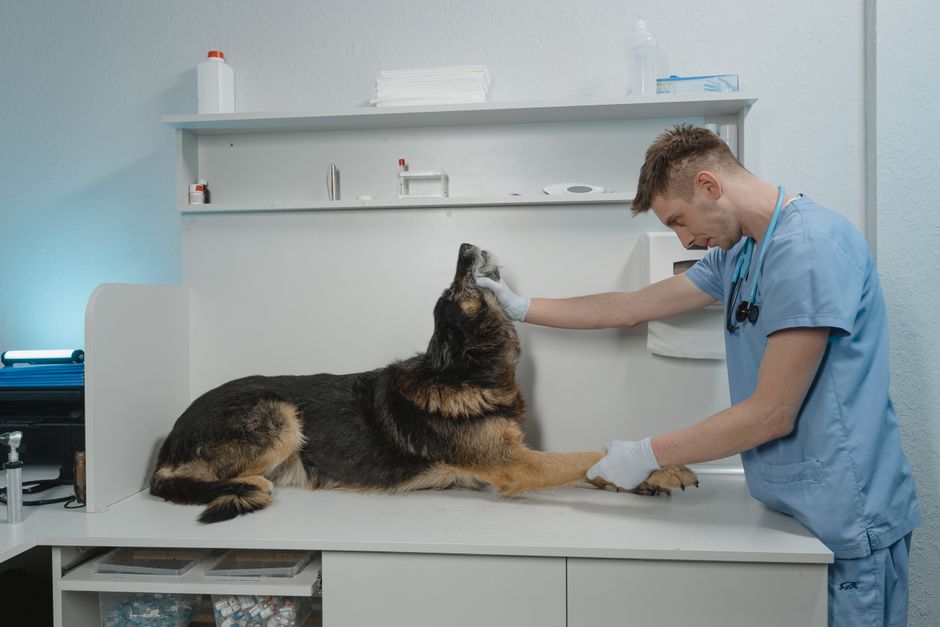
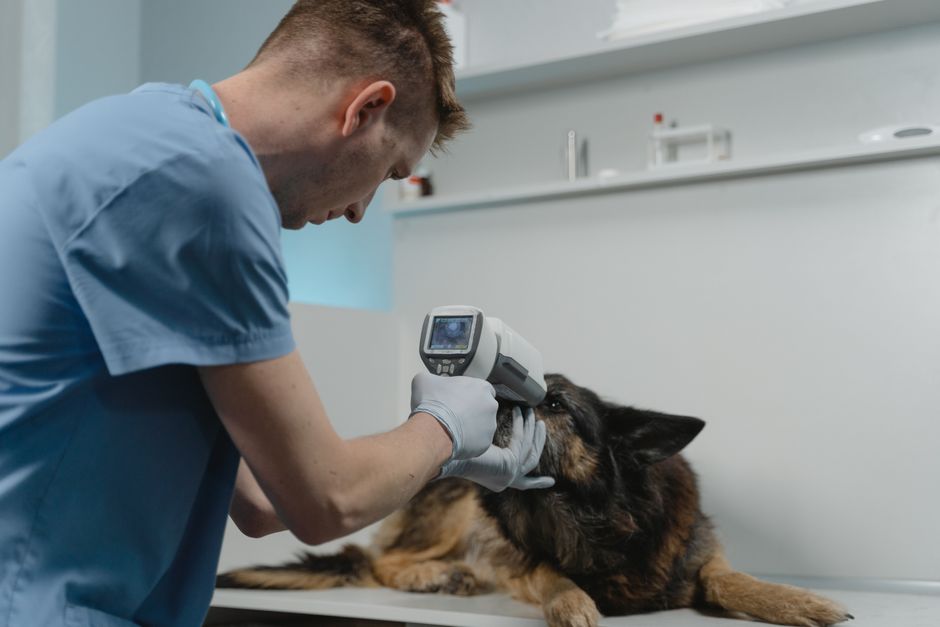
Diagnostic steps often include a thorough oral and throat examination, checking for redness, swelling, or signs of infection. In some cases, we may recommend additional tests, such as a swab for bacterial cultures or blood work, especially if your dog is running a fever or shows other signs of systemic illness. Our in-house laboratory allows us to quickly assess your dog’s health and tailor treatment to their specific needs.
Treatment for a sore throat in dogs depends on the underlying cause. For mild viral infections or kennel cough, supportive care and rest are usually recommended, along with medications as needed to manage symptoms. Bacterial infections may require a course of antibiotics. If allergies are the source, our team can discuss management strategies, including allergy testing and appropriate medications. When foreign objects are involved, prompt removal may be necessary, sometimes under sedation to ensure your pet’s safety and comfort.
Throughout treatment, ensuring your dog stays hydrated and comfortable is a priority. Softening their food, limiting strenuous activity, and providing a quiet place to rest can support recovery. Our team will guide you through each step, answering your questions and following up to ensure your pet is on the mend. For more information on how we support sick pets, visit our page about expert sick pet visit services.
Home Care and Prevention: Helping Your Dog Feel Better
While professional veterinary care is vital for diagnosing and managing significant throat discomfort, there are several ways you can support your dog’s recovery at home and help prevent future issues. If your dog has been diagnosed with a mild sore throat, encourage them to drink plenty of fresh water, and consider offering soft, easy-to-swallow foods, such as moistened kibble or canned dog food. Avoid giving your dog hard treats, bones, or toys that could further irritate their throat during recovery.
Keeping your home environment free from smoke, strong scents, and airborne irritants can help reduce the risk of throat inflammation. Regularly cleaning your dog’s bedding and toys also minimizes dust and allergens. If you notice your dog tends to bark excessively, try to identify and address the sources of stress or boredom that might be contributing to this behavior. Providing interactive toys, exercise, and positive reinforcement can help keep your dog’s voice healthy and strong.
Preventive veterinary care plays a key role in your dog’s overall health, including their respiratory system. Scheduling regular wellness exams and preventive care allows our veterinary team to catch early signs of illness and provide recommendations tailored to your dog’s unique needs. Ensuring your pet is up-to-date on vaccinations can also reduce the risk of infectious diseases that cause sore throats, like kennel cough.
When Should You Seek Veterinary Care for a Sore Throat?
Knowing when to contact your veterinarian is essential for your dog’s health and comfort. While some mild throat irritation may resolve on its own, there are situations where prompt veterinary attention is needed. If your dog is experiencing persistent coughing that lasts more than a day or two, difficulty swallowing, a significant change in appetite, or signs of distress such as labored breathing or gagging, it’s time to schedule an appointment.
Other red flags include coughing up blood, ongoing vomiting, drooling that doesn’t stop, or any sudden behavioral changes like extreme lethargy or collapse. These symptoms can indicate a more serious underlying condition, such as an obstruction, severe infection, or even a problem with the tonsils or larynx. The sooner your dog receives a professional evaluation, the better the outcome is likely to be.
Our team at Express Vets Holly Springs is committed to providing compassionate, thorough care for your pet. We understand how concerning it can be to see your dog in discomfort and are always here to answer your questions and guide you through the next steps.
Keeping Your Dog’s Throat Healthy Year-Round in Holly Springs
In summary, the answer to “Can dogs get sore throats?” is yes, and being able to recognize the signs, understand the causes, and know when to seek help are all crucial for your dog’s well-being. Early intervention and preventive care are the best ways to keep your four-legged friend comfortable and healthy, whether you’re dealing with a mild case of throat irritation or a more serious underlying issue.
If you notice symptoms that concern you, or if you simply want to ensure your dog is in top health, don’t hesitate to reach out to the veterinary professionals at Express Vets Holly Springs. You can schedule an appointment for a comprehensive pet exam or learn more about our primary veterinary care services by visiting our website. For those searching for a trusted “vet near me,” our experienced team is ready to support you and your pet at our convenient Holly Springs location.
Give us a call at (678) 402-8717 to schedule your visit or ask any questions. At Express Vets Holly Springs, we’re dedicated to helping pet owners in Holly Springs and surrounding communities keep their dogs happy, healthy, and comfortable all year long. If you ever wonder, “Can dogs get sore throats?”—remember, our veterinary team is here to help every step of the way.